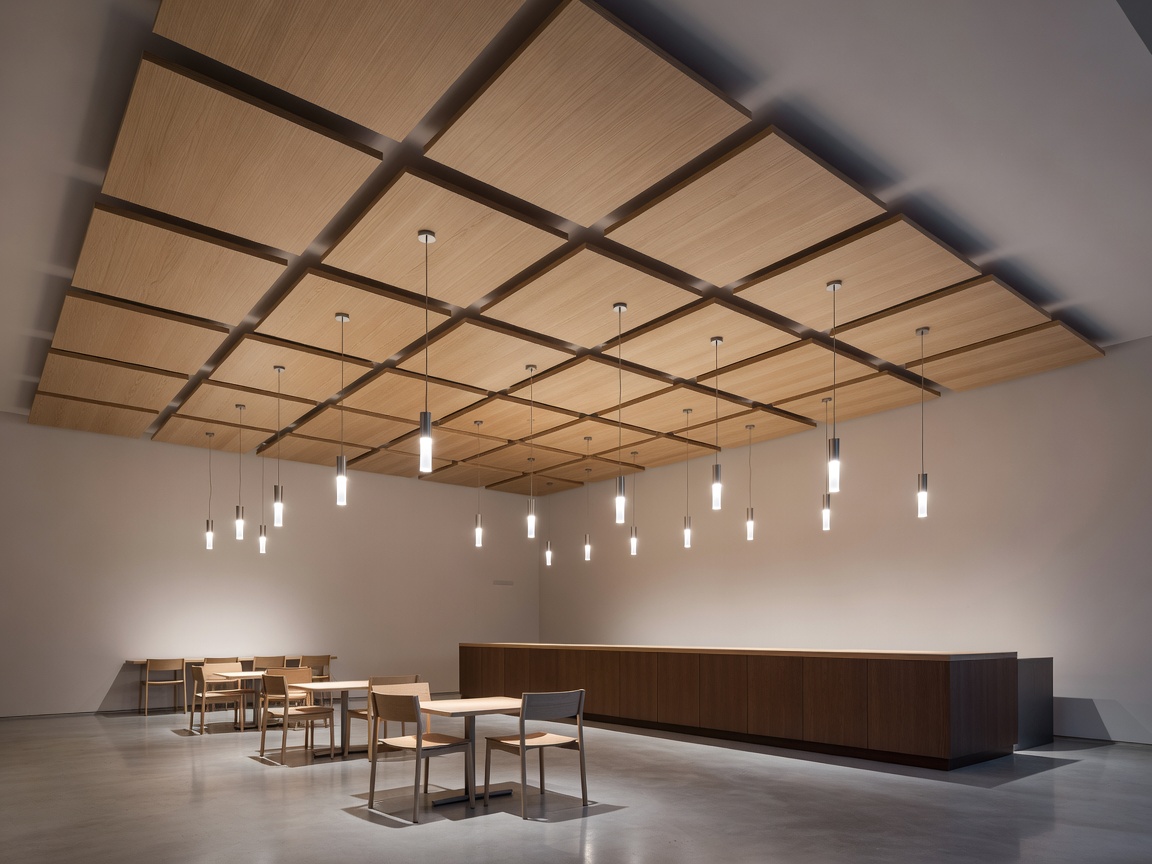
A memorable café experience extends far beyond the liquid in the cup. The environment in which coffee is consumed plays a profound role in shaping our perception of flavor, our willingness to linger, and our desire to return. Designing the perfect café ambience is an intricate exercise in sensory architecture, balancing aesthetics, acoustics, lighting, and layout to foster a distinct sense of place.
The Third Place Philosophy
Sociologist Ray Oldenburg coined the term "the third place" to describe social surroundings separate from the two usual environments of home (the first place) and the workplace (the second place). Cafés historically anchor this concept. A successful layout must cater to diverse use-cases simultaneously: the solitary remote worker seeking focus, the intimate couple deep in conversation, and the energetic group of friends catching up.
Zoning is crucial. Long communal tables near power outlets naturally attract the laptop crowd, while plush, low-slung lounge seating positioned away from the bustling espresso machine encourages relaxed socializing. Bar seating near the brewing station caters to the curious aficionado looking to engage with the barista.
Mastering Lighting and Temperature
Lighting profoundly influences mood. The stark, cold fluorescence of a fast-food environment prompts quick turnover, while the warm, dim glow of a cocktail bar encourages lingering. Cafés typically bridge this gap by harnessing abundant natural light during the morning hours to energize patrons, transitioning to warm, directional ambient lighting (around 2700K on the Kelvin scale) as the afternoon wanes.
Illumination must also be functional. A spotlight directly over the espresso machine ensures the barista can accurately assess crema and milk texture, while softer, diffused pendants over seating areas prevent harsh shadows on patrons' faces.
Acoustic Treatment
A busy coffee shop is inherently noisy. Espresso grinders shriek, steam wands roar, and hard surfaces—like concrete floors, exposed brick walls, and glass windows—reflect sound waves, creating a cacophony that can make conversation impossible.
Thoughtful acoustic design incorporates sound-dampening materials without compromising the aesthetic. Perforated wooden ceiling panels, strategically placed upholstered furniture, heavy canvas curtains, and even large leafy plants absorb high-frequency chatter and the mechanical hum of equipment. The background music must then be carefully curated—both in genre and volume—to fill the silence without competing with human voices.
The Digital Disconnect
A growing trend in café design is the intentional friction against digital tethering. While offering free high-speed Wi-Fi was once considered mandatory for survival, many community-focused shops are now removing routers and covering outlets. By deliberately discouraging laptop camping, these spaces seek to revive the café's historic role as a crucible of analog conversation, serendipitous encounters, and present-moment enjoyment of culinary craft.