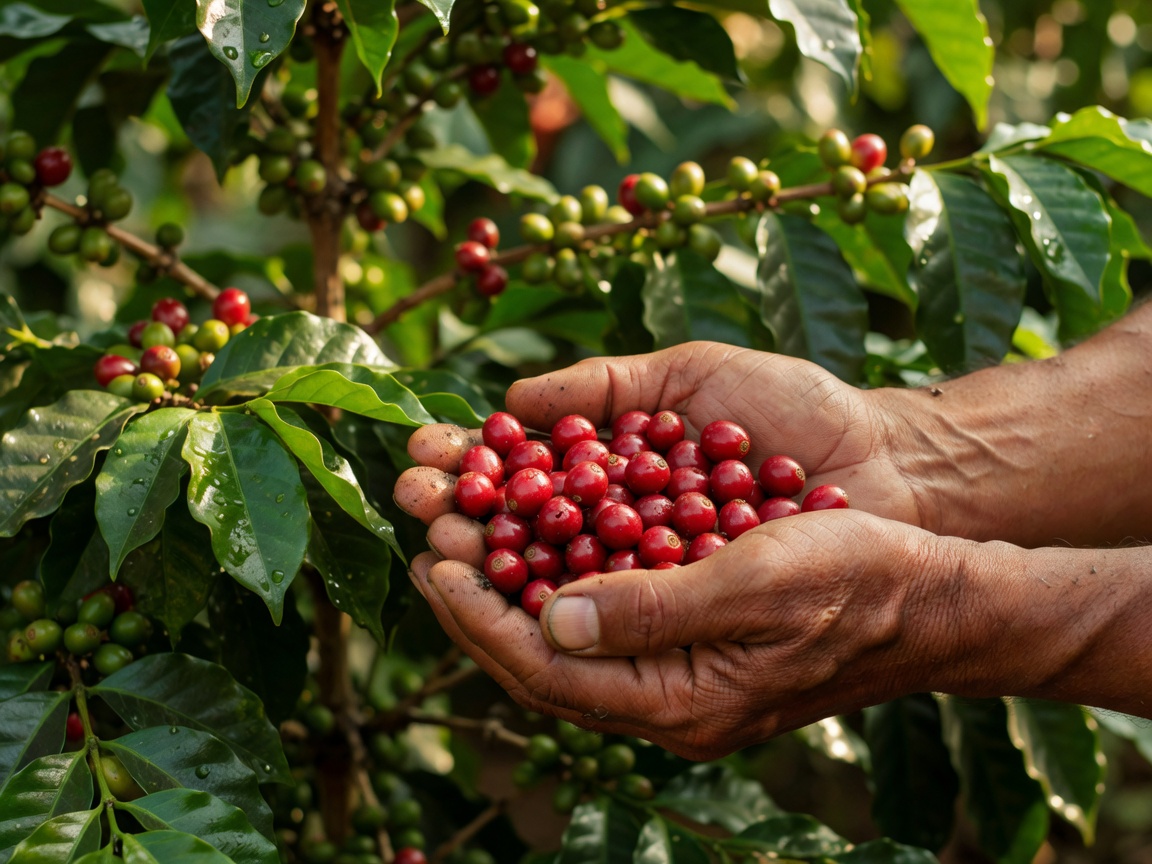
The specialty coffee industry frequently champions terms like "direct trade," "sustainability," and "ethical sourcing." However, the journey from a steep mountainside at origin to a ceramic cup in an urban café is fraught with economic and environmental complexities. Understanding the realities of coffee cultivation requires looking past marketing buzzwords and examining the actual mechanisms that impact farming communities.
The Problem with the C-Market
Commercial coffee pricing is dictated by the commodities market, often referred to as the "C-price." This global benchmark fluctuates wildly based on weather patterns in major producing countries, currency values, and speculative trading. For small-holder farmers, this volatility means the price they receive for their harvest often falls below the actual cost of production.
The specialty sector attempts to decouple from the C-market by paying premiums based on cup quality. Coffees that score 80 points or higher on a 100-point scale undergo rigorous sensory evaluation, allowing farmers to negotiate prices that reflect their labor and agricultural expertise rather than arbitrary stock market fluctuations.
Direct Trade vs. Certifications
Historically, certifications like Fairtrade and Rainforest Alliance provided consumers with a baseline guarantee of ethical practices. While these labels enforce minimum pricing and environmental standards, they also require expensive audits that many micro-lot farmers cannot afford.
As a result, many specialty roasters have embraced "Direct Trade." This model theoretically involves roasters developing personal, long-term relationships with farmers, visiting origins, and paying "farm gate" prices directly to the producer, bypassing middlemen. While Direct Trade can yield incredible financial benefits for farmers and superior quality for roasters, it lacks centralized regulation, meaning the burden of transparency falls entirely on the roaster to prove their ethical claims.
Environmental Stewardship
Coffee is an incredibly delicate crop. Coffea arabica, the species favored for specialty production, requires specific altitudes, predictable rainfall, and cool nights to thrive. Climate volatility poses an existential threat to these narrow growing bands. Rising temperatures push viable farming land higher up mountainsides, eventually leading to a loss of arable land.
Forward-thinking producers are reverting to shade-grown techniques—planting coffee under the canopy of native forest trees. This preserves biodiversity, provides habitat for migratory birds, and naturally enriches the soil, reducing the need for chemical fertilizers. However, shade-grown yields are typically lower than sun-grown monocultures, requiring roasters and consumers to pay higher premiums to offset the reduced volume.
The Final Mile: Packaging and Waste
Sustainability must extend to the consumption phase. The café industry generates massive amounts of waste, from single-use cups lined with polyethylene to non-recyclable multi-layer foil coffee bags. The shift towards compostable materials, deposit-return cup schemes, and carbon-neutral roasting operations represents a crucial step in ensuring that the final mile of coffee's journey honors the immense effort expended at origin.